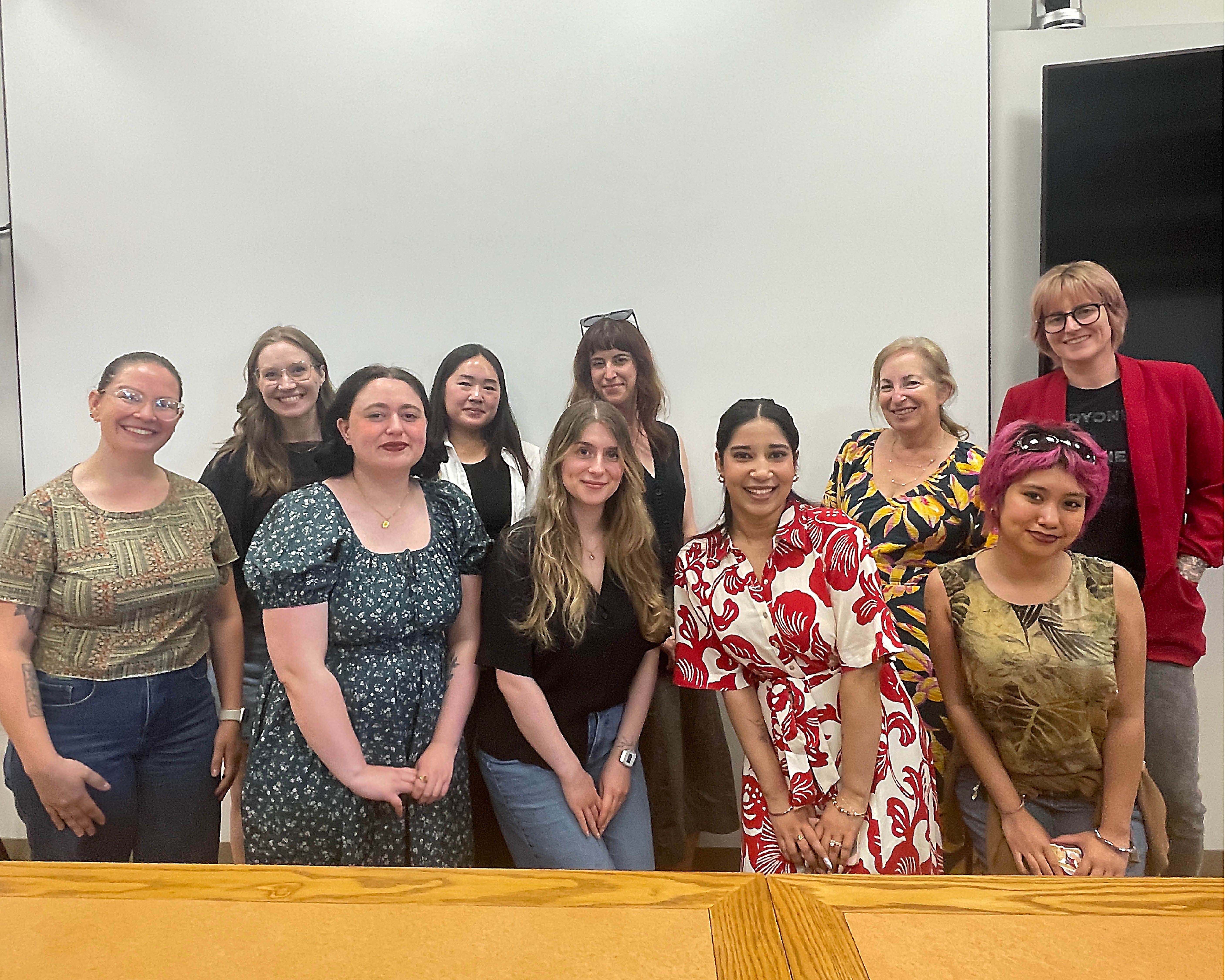
This post is part of our Ten Years of the WPHP Spotlight Series, which will run through August 2026. In May 2026, the WPHP held two wrap events to celebrate over a decade of collaborative data creation and research, showcasing some of the projects that have emerged in the process. This series shares these projects along with further reflections from the creators and researchers.
Authored by: Amanda Law
Edited by: Kate Moffatt and Michelle Levy
Submitted on: 08/07/2026
Citation: Law, Amanda. "Ten Years of the WPHP Spotlight Series." The Women's Print History Project, 7 August 2026, https://womensprinthistoryproject.com/blog/post/153.
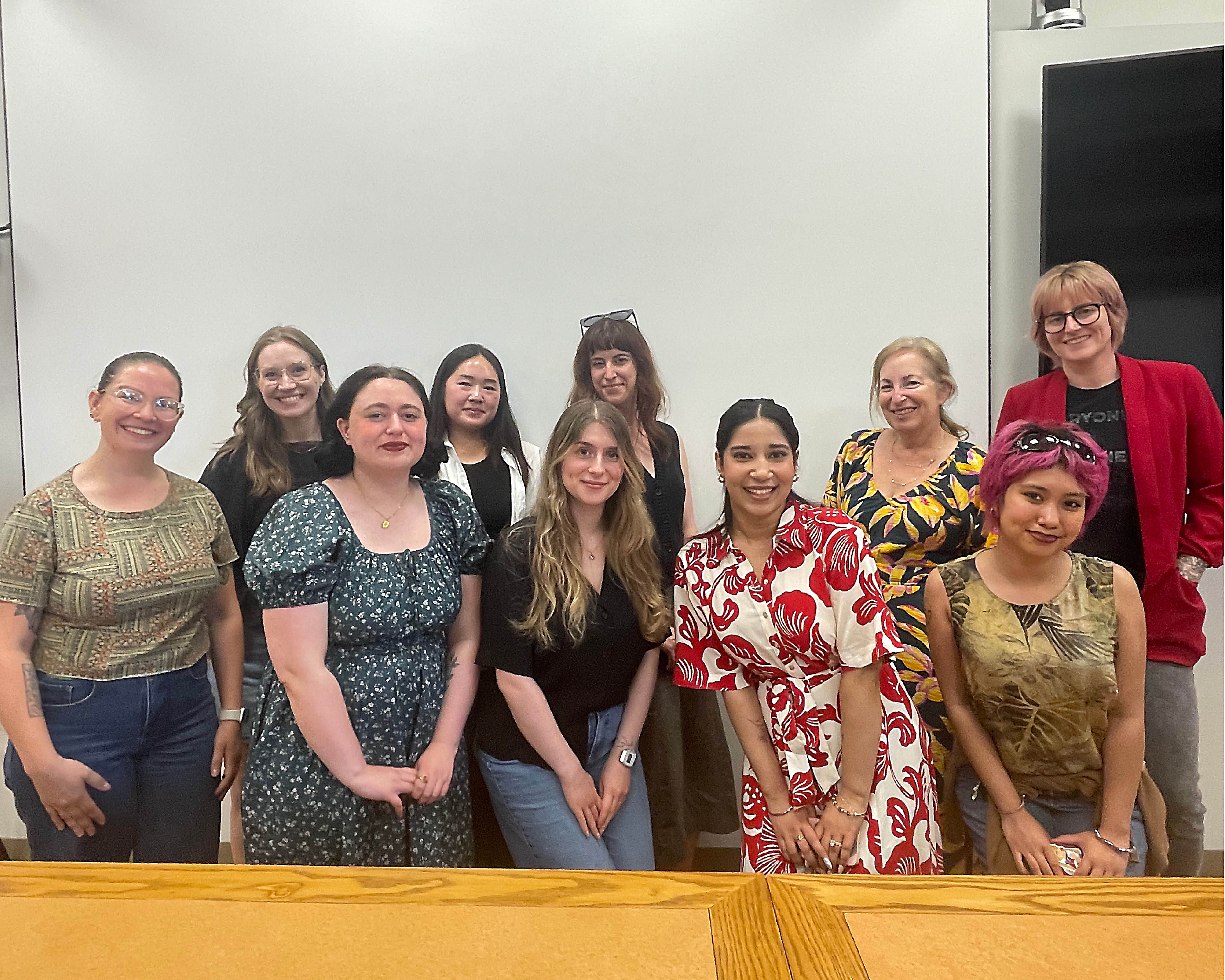
Figure 1. From left to right: Anna Opryszko, Kate Moffatt, Salena Wiener, Amanda Law, Belle Eist, Kandice Sharren, Tammy Lalwani, Michelle Levy, Julia Gorospe, Kate Ozment. Photo courtesy of of SFU English Communications Coordinator Rebecca Saloustros.
To celebrate our ten-year anniversary and wrapping up our work on the database, The Women’s Print History Project held an event over two days, on May 28 and 29, 2026. In addition to highlighting how the WPHP has grown over the past decade, these events showcased the projects and research that have been enabled by our data, and the larger questions we continue to pursue about the role of women in the literary marketplace, in print culture, and in the book trades.
Many of these activities have been funded through a Breaking Barriers Interdisciplinary Incentive Grant, awarded the Faculty of Arts and Social Sciences, at SFU, titled "Data Empowerment through Data Sharing in the Humanities." This Breaking Barriers project aimed to make The Women’s Print History Project's data more discoverable and usable by experts and non-experts alike, as data sharing is essential to supporting a deeper and more equitable understanding of the human past. We are also grateful for the support of SFU English's Department.
Throughout the month of August, we are publishing a mini Spotlight series focusing on the projects and outputs featured at our event. Read on for a recap of our events and stay tuned for the rest of the month to learn more about each project!
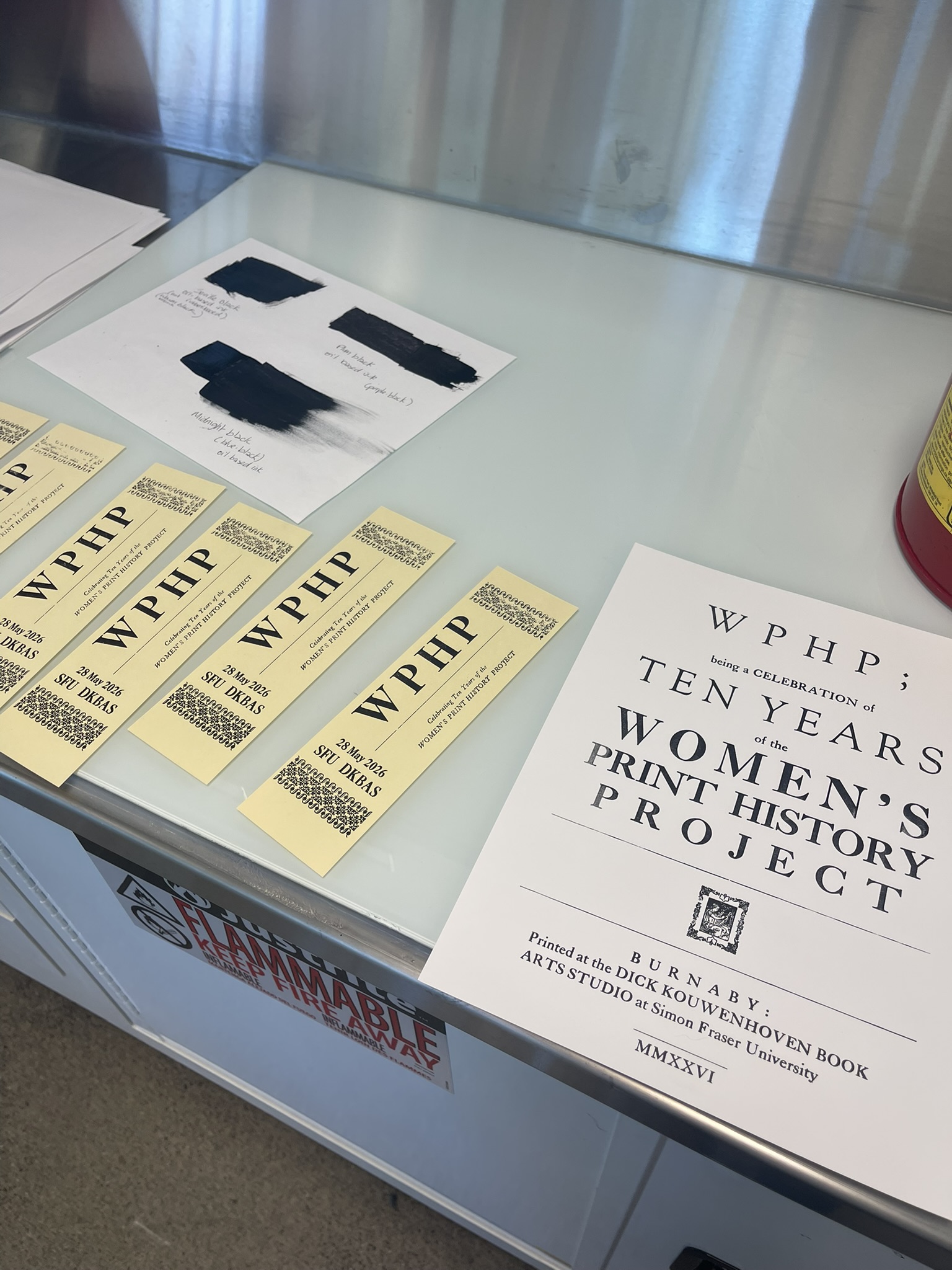
Figure 2. Commemorative bookmarks and posters printed in the Dick Kouwenhoven Book Arts Studio by our workshop participants
Our May 28th presentations and workshops kicked off in the intimate quarters of Simon Fraser University’s Special Collections and Rare Books with welcoming remarks from our Principal Investigator, Dr. Michelle Levy. Following Dr. Levy, Project Manager Kate Moffatt and Lead Editor and former Project Manager Dr. Kandice Sharren took the floor to discuss how the database has changed under each of their tenures as manager. As the first Project Manager, Dr. Sharren shepherded the database in its earliest stages, when it was imagined that it would contain only a few thousand Titles. Now, at over eighteen thousand Titles, six thousand Persons, and seven thousand Firms, Kate manages the project as we work on mobilizing and disseminating this data that we’ve worked on for years to collect.
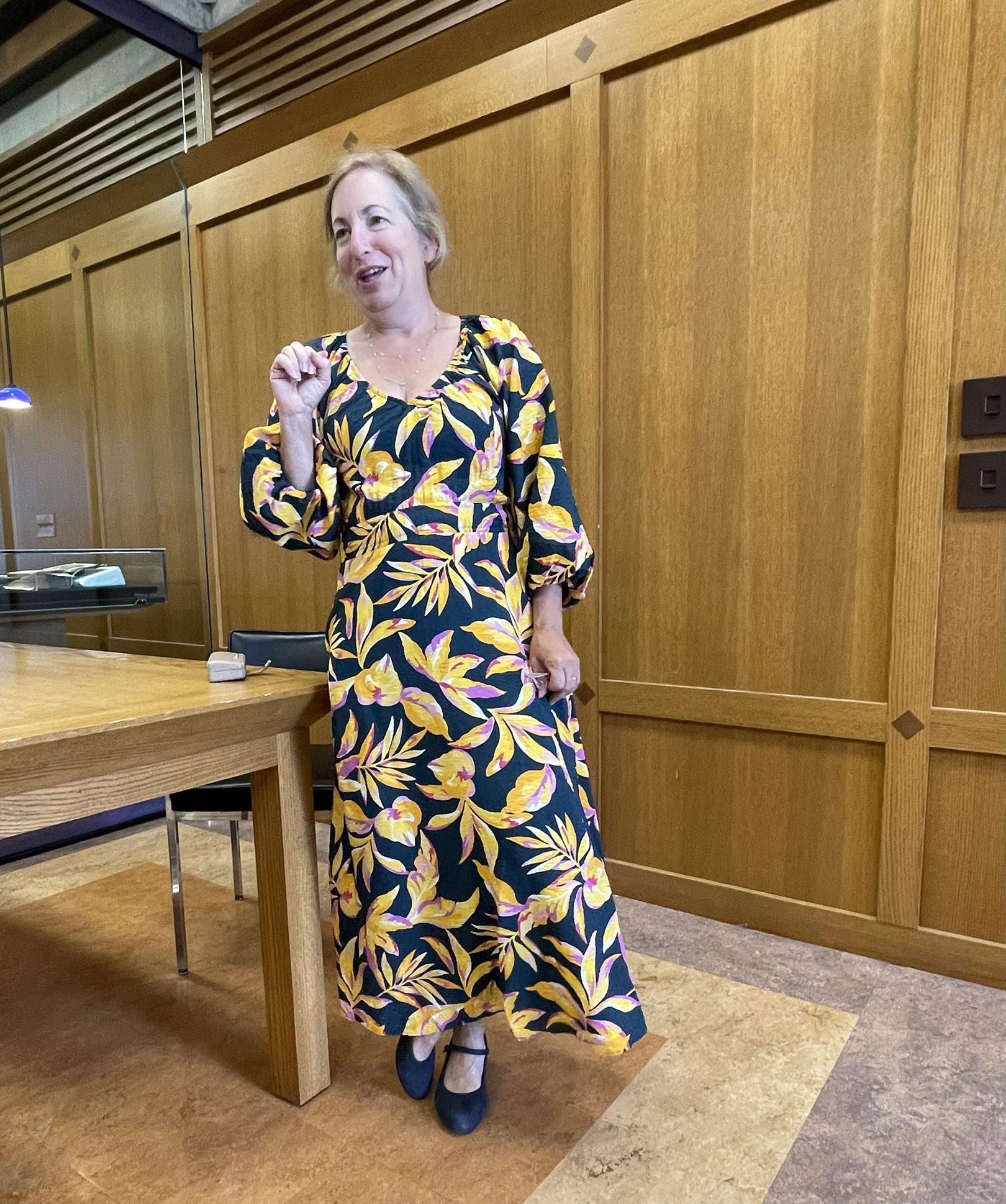
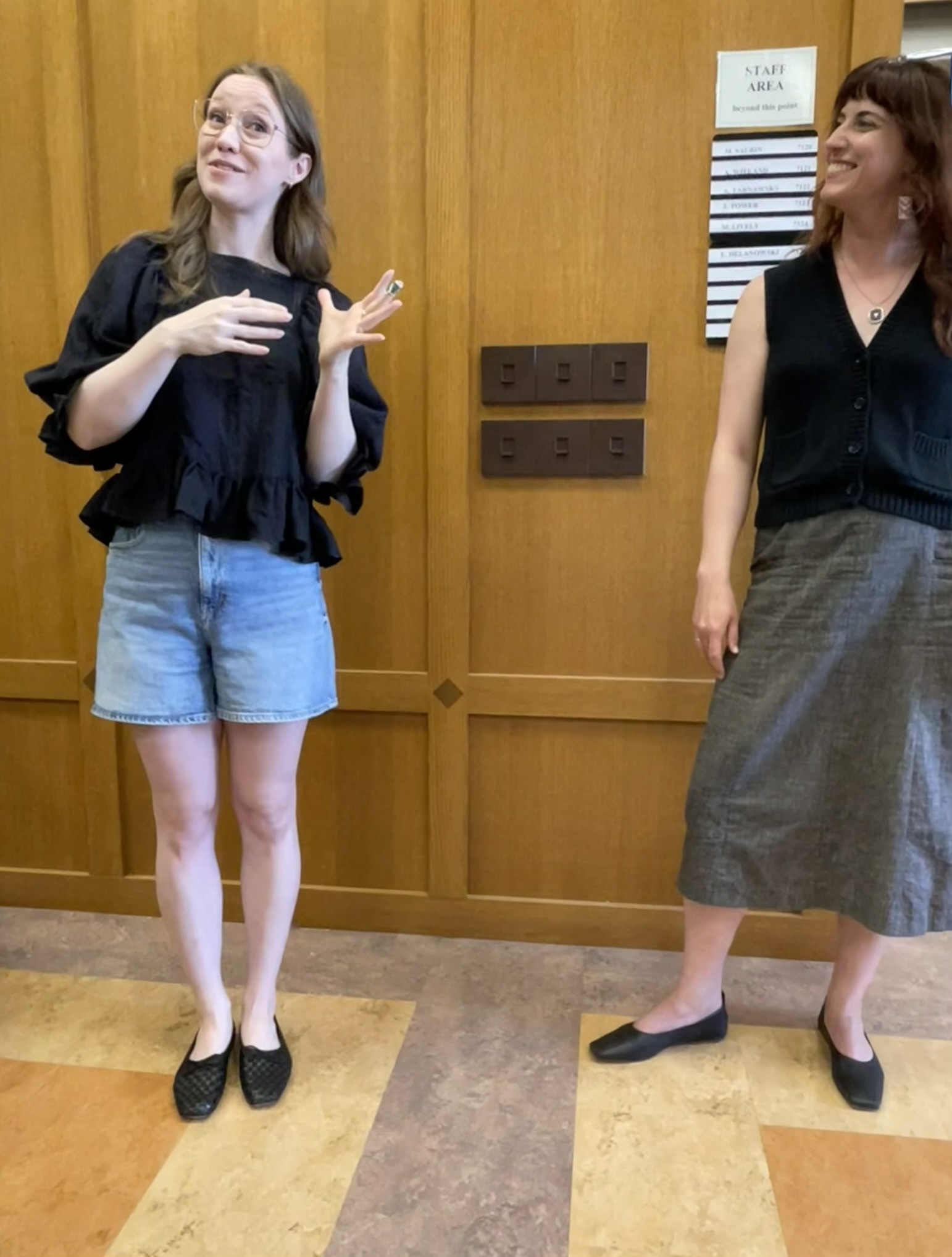
Figure 3 (left). Principal Investigator Dr. Michelle Levy introducing our May 28th events / Figure 4 (right). Project Manager Kate Moffatt and Lead Editor Dr. Kandice Sharren presenting on their experiences leading the WPHP.
Next, Dr. Levy introduced Rebecca Dowson, Digital Scholarship Librarian at SFU, who described how the Digital Humanities Innovation Lab has made possible the digital infrastructure of the database, and how the WPHP, and Dr. Levy, were instrumental in establishing the Lab and guiding its vision for digital scholarship. Our opening remarks wrapped up with a few final thoughts from Dr. Levy (who is always tasked with the conclusion because she is the best at writing them). Dr. Levy reflected on how the WPHP has grown because of the efforts of so many contributors, from our project managers, to contributing scholars, the DHIL, and our many research assistants. The project has not only enabled and inspired new research interests, but has also been shaped by the unique investments of each contributor.
Following the opening remarks, the group headed outside Special Collections to take a look at the exhibit curated by Dr. Levy, and Research Assistants Belle Eist and Anna Opryszko. Consisting of six cases, the exhibit focused on themes like women’s anonymous authorship and publishing enterprises, and featured authors such as Eliza Haywood, Dorothy Wordsworth, and Joanna Baillie.
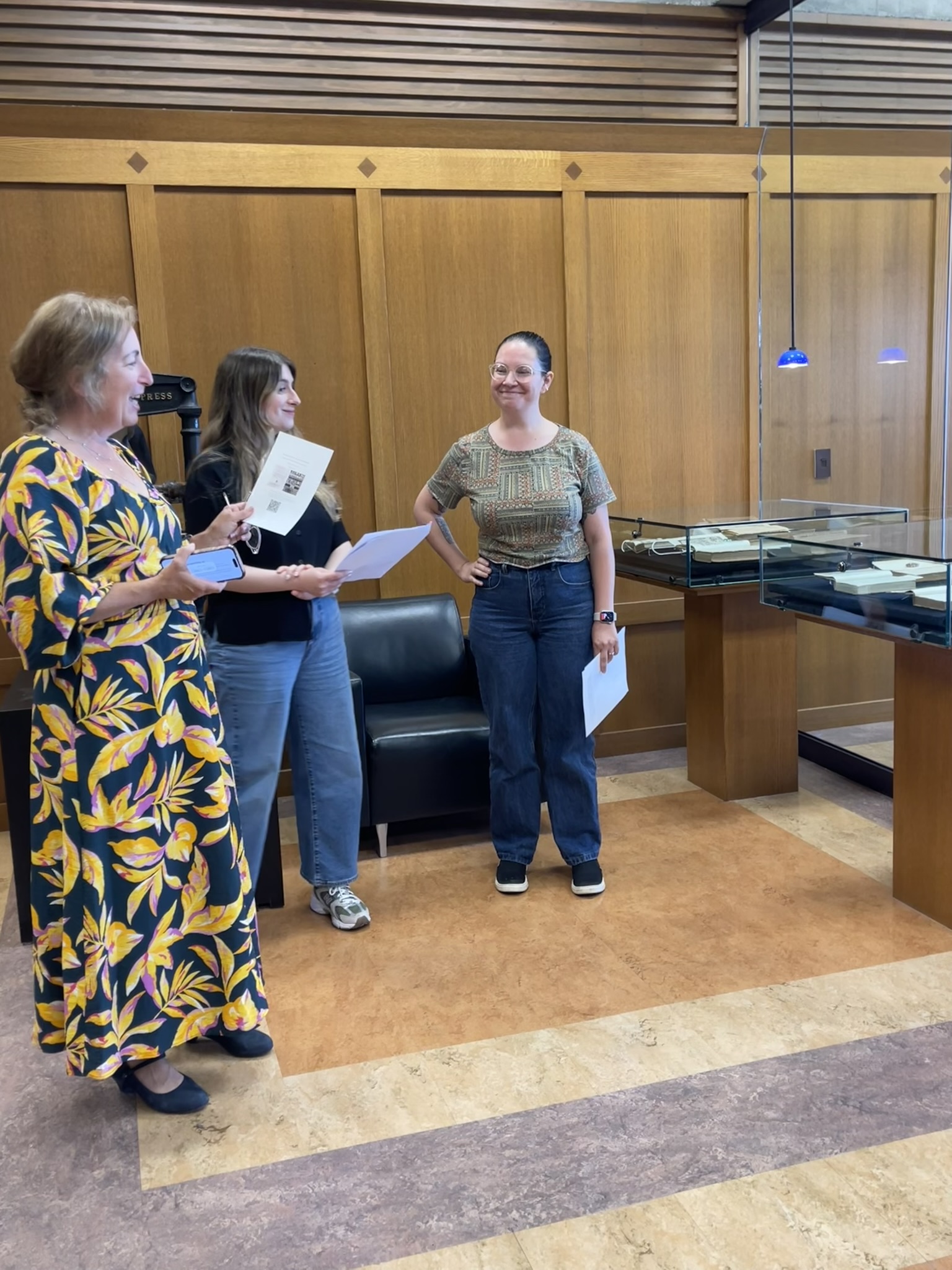
Figure 5. Dr. Levy and Research Assistants Belle Eist and Anna Opryszko discussing the exhibit they curated outside of SFU Special Collections and Rare Books.
We re-entered Special Collections for a presentation from Kate on her work-in-progress crochet blanket, a physical manifestation of the WPHP’s women’s firms records. Kate recounted the painstaking process of calculating the percentages of data we have for each female firm and counting out each coloured stitch to represent each character of data we have for these women. Kate’s blanket makes physical the data stored in the WPHP, but it also highlights the physical labour involved in creating the blanket itself, mirroring the physical labour of data creation for the WPHP.
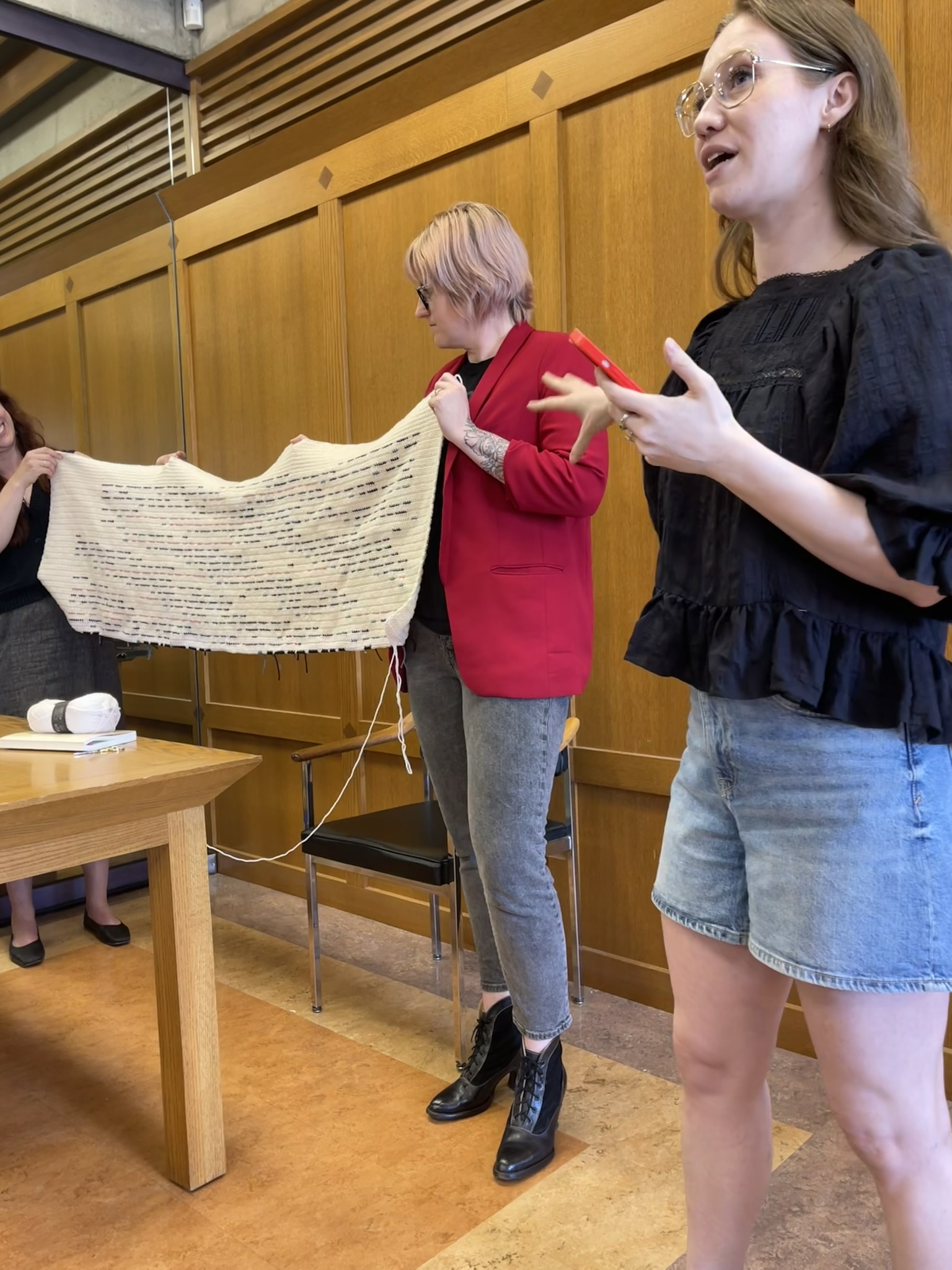
Figure 6. Kate Moffatt presenting on her data physicalization crochet project (assisted by Dr. Sharren and Contributing Scholar Dr. Kate Ozment)
Heading down to the third floor of the library, we met Dr. Denise Oleksijczuk and Research Assistant Salena Wiener at their exhibit, Earth Love: Intended Chiefly for Young Persons, where they presented on their display of books and prints about garden and plant history, Indigenous knowledge, and literary works engaging with nature found in Special Collections and Rare Books, alongside children’s paintings. Dr. Oleksijczuk and Salena reflected on the process of engaging with the work students created at T’uy’t’tanat Cease Wyss’ garden at the Stanley Park Field House and making women’s contributions to the garden and juvenile education visible.
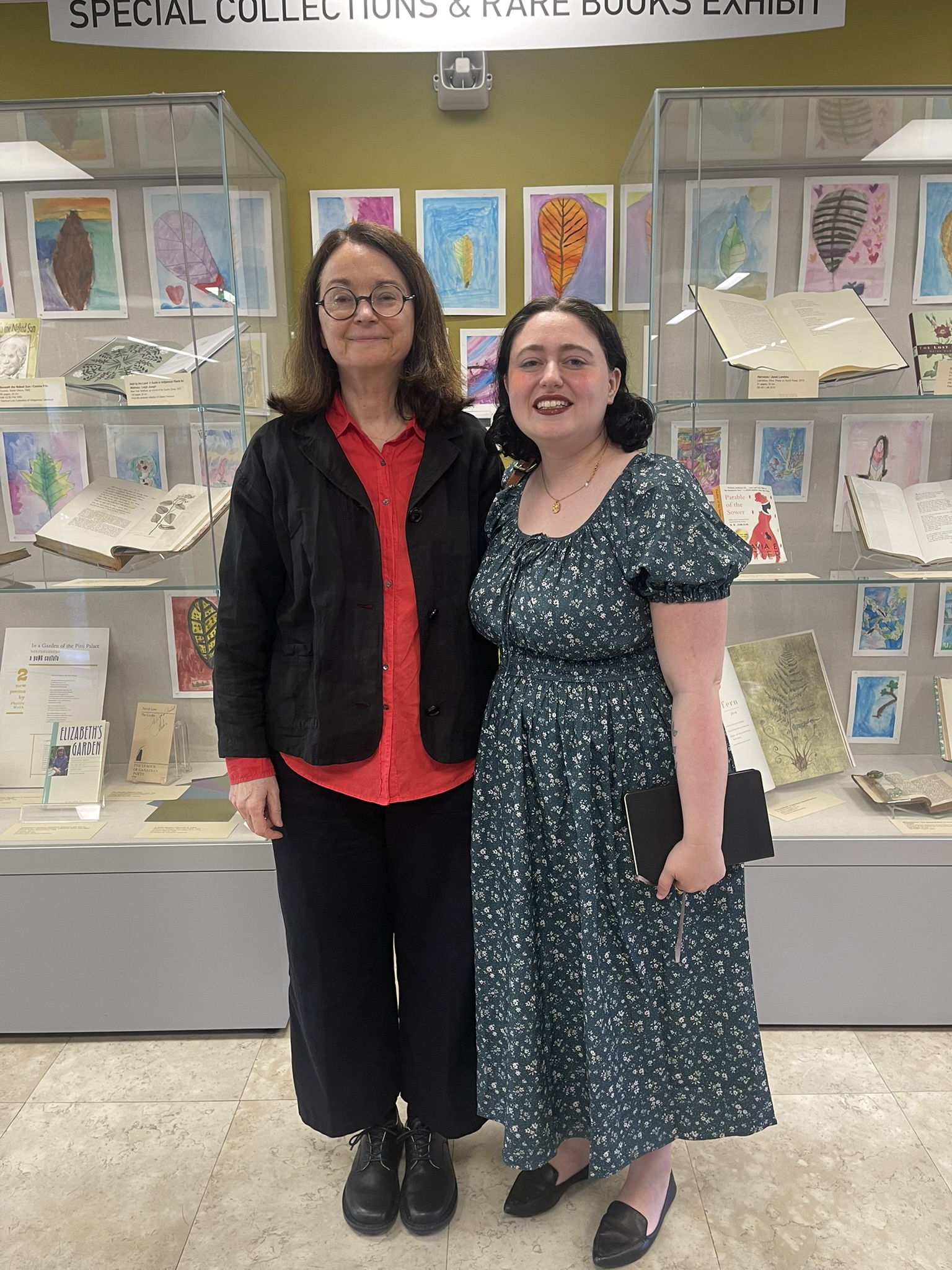
Figure 7. Dr. Denise Oleksijczuk and Research Assistant Salena Wiener.
The first day of our event wrapped up with two workshops. Guided by Anna, graduate facilitator in the Dick Kouwenhoven Book Arts Studio, we had the opportunity to operate the letterpresses to print posters and bookmarks commemorating the ten year anniversary of the WPHP and to practice setting type. We then headed back up to Special Collections for a workshop led by Research Assistant Amanda Law to create and edit Title records in the WPHP for new rare books acquired by Special Collections for this event. These titles included the 1822 edition of Maria Eliza Ketelby Rundell’s A New System of Domestic Cookery, the first edition of Priscilla Wakefield’s A Family Tour Through the British Empire, and the 1806 edition of Hester Mulso Chapone’s Letters on the Improvement of the Mind. We concluded with Belle introducing the WPHP Firms Research Guide she created, which focuses on the case study of Eliza Haywood, author and publisher-bookseller, before heading to a reception to celebrate the end of a successful first day!
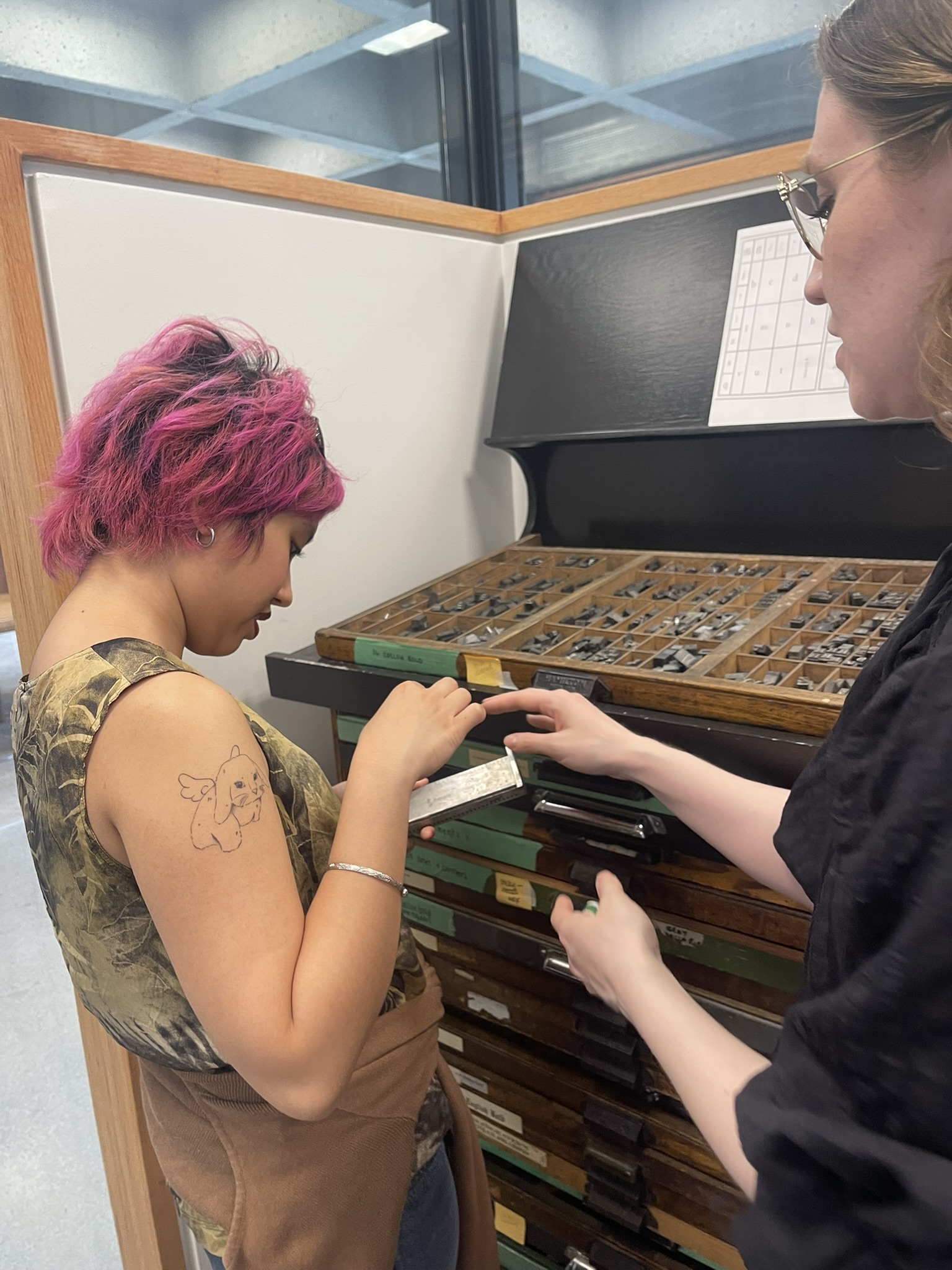
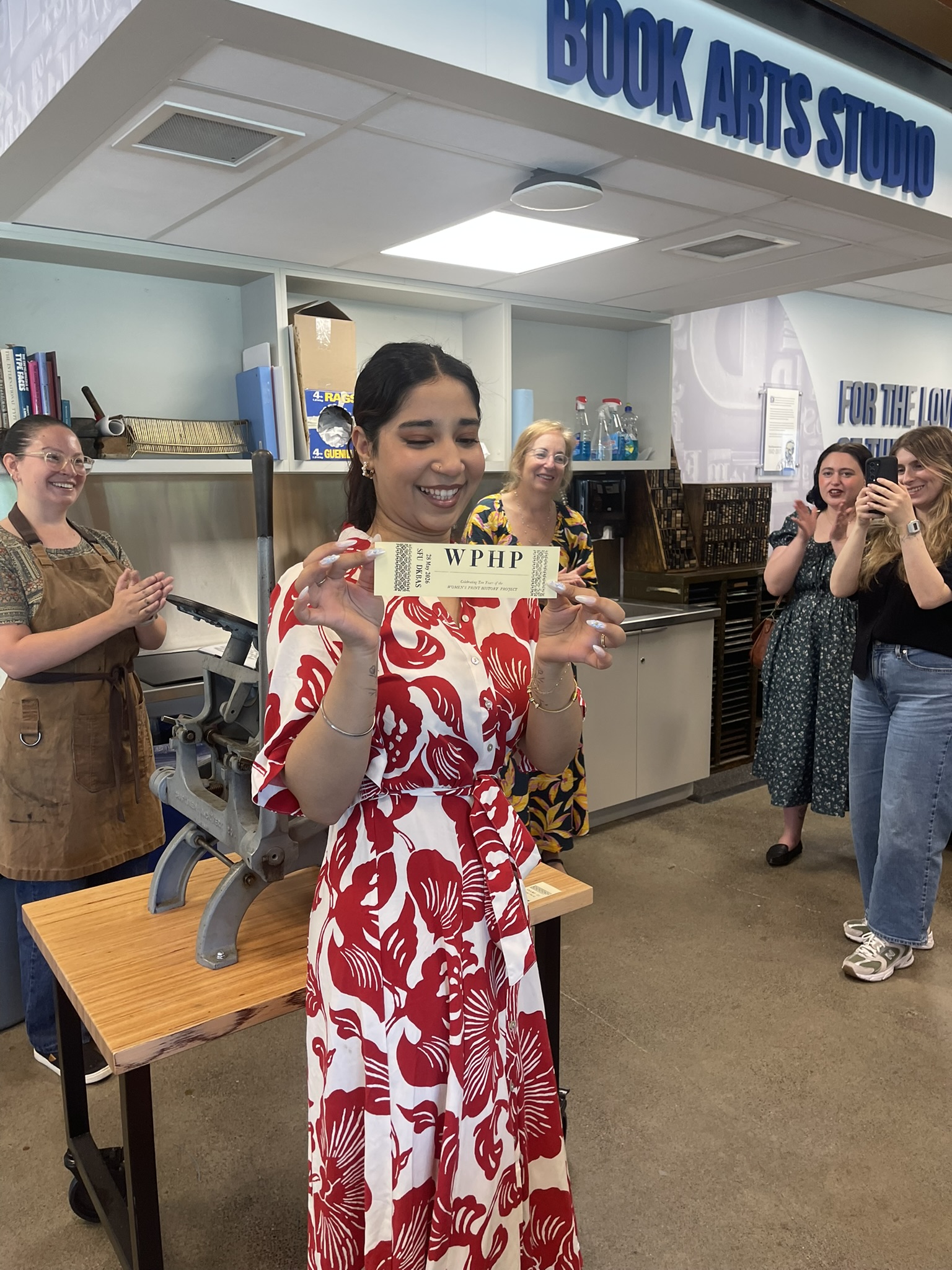
Figure 8 (left). Former Research Assistant Julia Gorospe setting type, assisted by Kate Moffatt / Figure 9 (right). Former Research Assistant Tammy Lalwani showcasing her freshly printed WPHP bookmark. In the background, from left to right: Anna Opryszko, Dr. Michelle Levy, Salena Wiener, Belle Eist.
Our May 29th event took place at SFU’s Harbour Centre campus, beginning with a live podcast recording and roundtable of The WPHP Monthly Mercury, hosted by Kate Moffatt and Kandice Sharren and featuring Dr. Levy and Contributing Scholar Dr. Kate Ozment.
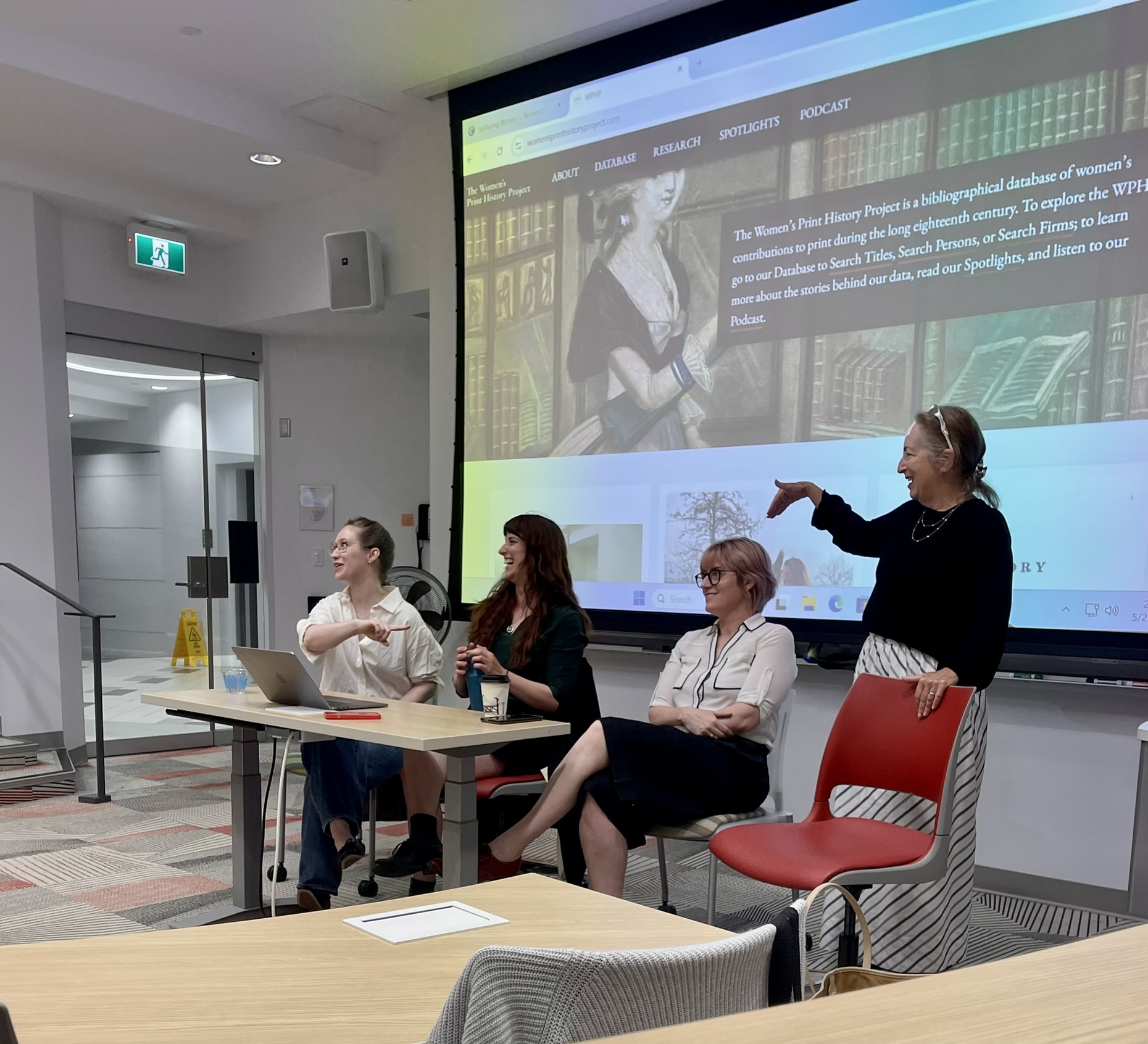
Figure 10. From left to to right: Kate Moffatt, Dr. Kandice Sharren, Dr. Kate Ozment, and Dr. Michelle Levy
Dr. Ozment then presented her talk “Surfacing Women’s Publishing Networks in The Women’s Print History Project,” which detailed the process of building a corpus of women publishers’ titles in the WPHP and how the feminist editorial process of the project facilitated discovery of many more women in the trades and dozens more associated titles. This presentation underscored the extensive digging required to rectify assumptions made by scholars and sources that obscure the involvement of women in the book trades and the role the WPHP plays in rewriting these narratives. Some highlights of the talk include the statistics Dr. Ozment compiled on Anne Dodd I and Anne Dodd II’s involvement with other women-run firms and the twelve newly acknowledged tradeswomen she was able to identify working on the WPHP (Elizabeth Amey, Matilda Amey, Margaret Amey, Sarah Cliff Cruttenden, Katherine Sanger, Jane Graves, Margaret Lawrence, Anne Boulter, S. Boulter, Mary Turner, Elizabeth Griffith, Elizabeth Rayner).
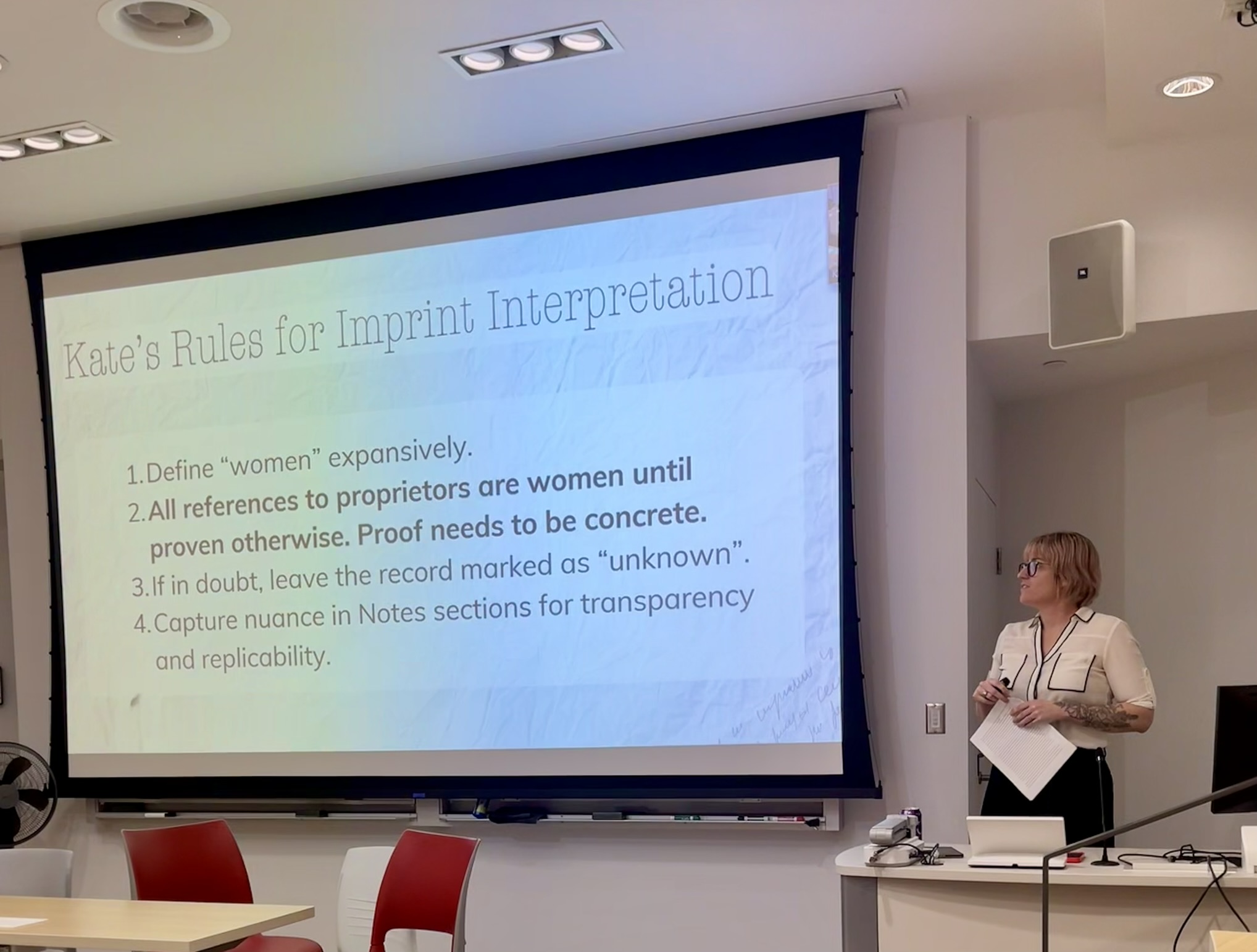
Figure 11. Dr. Ozment presenting her Rules for Imprint Interpretation
We ended our second day with a reception after Dr. Ozment’s presentation, and wrapped up our two days of events with a team dinner including some of our former RAs. It was a wonderful couple of days of reflection and celebration, getting to share the WPHP in person with people who have supported and used the database over the last ten years. In the coming weeks, we are excited to share more details about each of these projects with you, accompanied by reflections from our researchers and writers.
On August 12, peruse the full Exhibition Guide for the exhibit curated by Research Assistants Belle Eist and Anna Opryszko and Principal Investigator Michelle Levy in SFU's Special Collections and Rare Books.
On August 14, dive into the WPHP's Firms Table with Research Assistant Belle Eist, who explores the ins and outs of our data for women working in the book trades as publishers, printers, and booksellers.
On August 19, Salena Wiener shares reflections on the Earth Love: Intended Chiefly for Young Persons exhibit that she curated with Dr. Denise Oleksijczuk about women's contributions to the history of plants and botany in education for children, considered through working with elementary students at the T’uy’t’tanat Cease Wyss’ garden at the Stanley Park Field House.
On August 21, Project Manager and Lead Firms Editor Kate Moffatt takes us behind-the-scenes of her data physicalization project crocheting the Firms data from the WPHP into a blanket, and reflecting on women's labour.
On August 26, learn more about how Research Assistant Amanda Law used the WPHP data to add women to Wikidata, in partnership with Dr. Hanlin Li in the School of Information at the University of Texas Austin and her Research Assistant Neeka Lin.
On August 28, Principal Investigator Michelle Levy wraps up the Series with a reflection on the WPHP and the many projects it has produced and made possible by way of its enthusiastic research team.
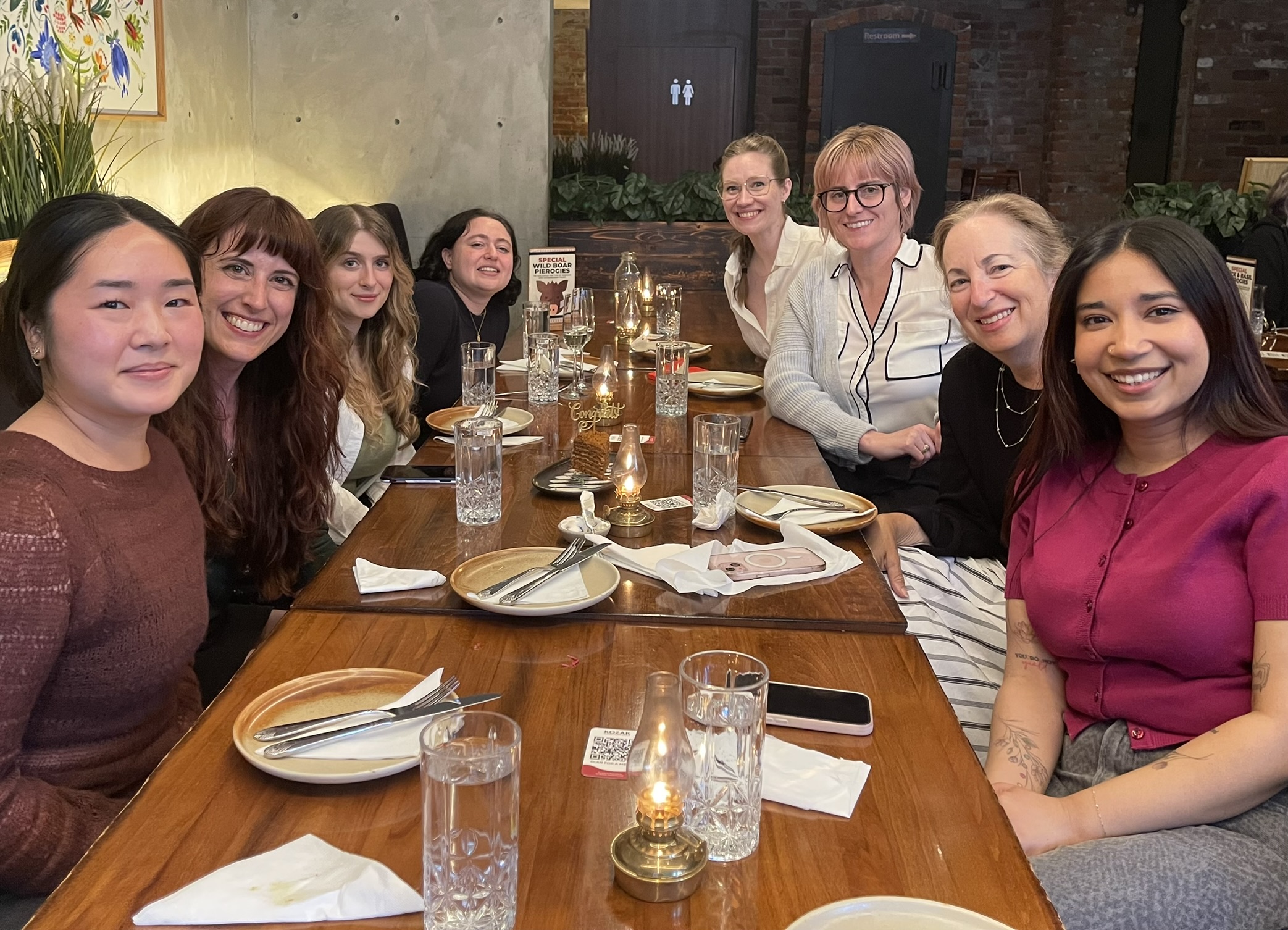
Figure 12. From left to right: Amanda Law, Dr. Kandice Sharren, Belle Eist, Salena Wiener, Kate Moffatt, Dr. Kate Ozment, Dr. Michelle Levy, Tammy Lalwani